
Tips for Getting Pregnant 30–35: What to Know, What to Do, and When to Get Support
Let’s normalize getting pregnant in your 30s.
Finally feeling ready to try to conceive might not come until your 30’s! Along the way, you may have heard that getting pregnant in your 30s is challenging, but that isn’t always true. There is often an overload of misinformation, pressure, and confusion when navigating this stage of life.
Maternal by Sentido is here to be a light in the TTC journey in your 30s. Our goal with this post is to provide practical, evidence-based, and empowering tips for getting pregnant between ages 30–35.
What Changes (and What Doesn’t) Between 30–35
Understanding Fertility in Your Early 30s
When it comes to fertility, your early 30s can sometimes be a sweet spot. Know you’re not “too late,” but there are some changes worth understanding.
Egg quality vs. egg quantity: While the total number of eggs slowly declines with age, the eggs you do have can still be healthy and capable of leading to pregnancy. Quality is just as important as quantity, and in your early 30s, most women still have many healthy eggs.
Hormones and ovulation patterns: Hormonal shifts can happen, but cycles usually remain fairly regular. Understanding your own pattern can help you predict the most fertile days more accurately.
What’s still working for you: You are still fertile, and conception is very possible. Many women in their early 30s conceive naturally without any interventions.
Myth-busting: “35 is a fertility cliff” is not entirely true. A woman’s fertility starts to slowly decline starting at 30 and once you reach your mid-30s, that decline starts to happen a little faster. Being informed helps you make confident choices rather than worry unnecessarily.
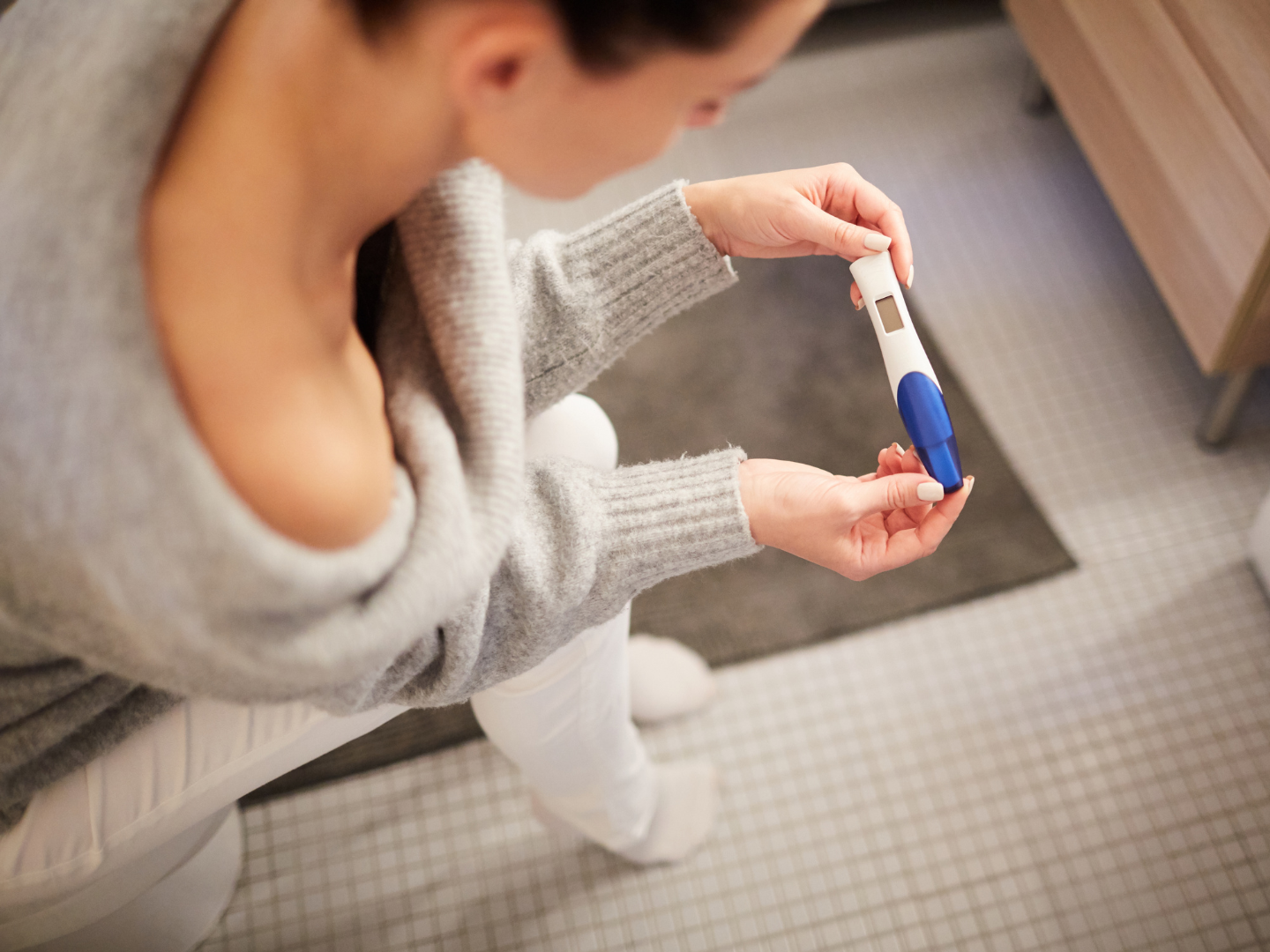
Top 6 Tips for Getting Pregnant 30–35
Tip #1: Track Ovulation More Intentionally
Understanding your fertile window is one of the most actionable things you can do when trying to conceive in your 30s. Timing matters, but tracking your cycle doesn’t have to be stressful.
Why it matters: Ovulation is your most fertile time, and knowing when it happens gives you the best chance of conception. As you get older, being proactive about timing becomes increasingly helpful.
Tools to consider:
Cervical mucus monitoring: Changes in cervical mucus give a natural, daily signal of your fertility window.
Basal body temperature tracking: Women are most fertile during the two to three days before the basal temperature rises. This small increase in the morning temperature signals that ovulation has occurred.
Ovulation predictor kits (OPKs): Detect the LH surge that signals ovulation within 24–36 hours.
Common mistake to avoid: Waiting too long or guessing when to have intercourse can reduce your chances. Even a few mistimed days can make a difference, so tracking cycles helps remove the guesswork.
Tip #2: Support Fertility with Nutrition
Eating the right foods can help your hormones work optimally and support conception. Focus on balance, not perfection.
Balanced meals: Include protein, complex carbohydrates, and healthy fats at every meal to give your body the nutrients it needs for ovulation and hormone balance.
Key fertility-supportive nutrients:
Folate: Supports egg quality and early fetal development. Found in leafy greens, lentils, and fortified grains.
Iron: Important for ovulation and preventing fatigue or anemia. Sources include lean meats, beans, spinach, and oysters
Omega-3 fatty acids (specifically DHA): Help regulate hormones and reduce inflammation. Found in salmon, tuna, and eggs.
Foods and habits to limit: Highly processed foods, excess refined sugar, and extreme dieting can negatively affect hormone balance.
Gentle reminder: You don’t need to eat perfectly, under-fueling or restrictive dieting can actually make it more challenging to conceive. Focus on consistent, nourishing meals and enjoy your food without stress.
Tip #3: Manage Stress (Without “Just Relax”)
Trying to conceive can be stressful due to the unknowns and trials you and your partner may experience. While stress alone cannot lead to infertility, chronic stress can affect your hormones and cycles.
While hearing “Just try to relax” might spike your stress even more, we are going to provide practical ways to reduce stress that will actually help.
Gentle movement: Excercise is a great way to relieve stress. Movements that pair well with trying to conceive include low impact cardio (cycling, walking, swimming), yoga, and strength training.
-
Duration: 30 minutes most days, totaling 150+ minutes per week.
Intensity: Moderate – you should be able to talk but not sing.
Frequency: Spread throughout the week, with strength training 2+ days.
-
Listen to Your Body: Keep doing what feels comfortable, but don't push too hard.
Consistency is Key: Regular, moderate activity supports hormonal balance and circulation.
Therapy or counseling
Boundaries around TTC content and social media: Do yourself a favor and stay off social media if you are struggling extra one day. It's great to remind yourself that social media is purely a highlight reel and can lead to unrealistic expectations. Set boundaries with yourself about the kind of content you consume and be mindful of how often you are on social media.
Tip #4: Optimize Lifestyle Factors
When trying to find tips for getting pregnant 30-35, don’t miss small lifestyle changes that can actually make a difference. No need to change everything that you are doing, but look at your daily routine and see how changes can support your fertility health. Some lifestyle shifts include:
Get enough sleep: There is a link between hormone production and sleep, so when you are not sleeping enough, your cycle could become dysregulated.
Get 7 to 9 hours of sleep per night
Follow a regular sleep schedule (going to sleep at the same time every night)
Create a night-time routine that signals to your body it's time to wind down
Avoid excessive blue light (from a TV, phone, or computer screen)
Avoid excessive amounts of alcohol and caffeine: Both, in excess, can harm your fertility health.
Alcohol – The American College of Obstetricians and Gynecologists abstaining from alcohol while trying to conceive. Consuming alcohol in excess could cause an imbalance in hormones and disrupt your cycle. Studies show that heavy drinking is associated to the reduced probability of conceptions, compared to non-drinkers. While alcohol will not cause infertility, it is best to stay mindful about your consumption level.
Caffeine – Try limiting your caffeine to under 200mg per day, which is 2 cups of coffee, 4 to 6 sodas, or between 1 and 2 energy drinks. Caffeine is known to disrupt your hormones and affect your quality of sleep.
Stop smoking/vaping: Smoking leads to the aging of your ovaries and reduces your egg supply. It is best to completely cut out smoking from your lifestyle, as it can adversely affect your overall health as well.
Maintain a healthy weight: No need for a strict diet and exercise plan, focus on getting enough healthy foods and gentle movements that allow you to be a healthy weight. Being too under or overweight can lead to a disrupted cycle, making it more challenging to get pregnant.
Environmental exposures to be mindful of:
Reduce exposure to endocrine-disrupting chemicals when possible
Choose glass or stainless steel for food storage
Be mindful of fragrances, plastics, and certain household products
Tip #5: Don’t Skip Preconception Care
One of the most empowering tips for getting pregnant 30–35 is being proactive with your healthcare before pregnancy.
Schedule a preconception visit:
Meet with your OB-GYN or midwife before trying (or early in the process)
Review cycle history, medications, and overall health
When to consider a fertility specialist referral:
If cycles are irregular
If you’ve been trying for several months without success and want clarity
If you have known conditions like PCOS or endometriosis
Tip #6: Include Your Partner Early
Fertility is not just about egg health, sperm health matters too, especially when following tips for getting pregnant 30–35.
Sperm health plays a major role:
Sperm quality impacts fertilization and embryo development
Lifestyle factors affect sperm just as much as eggs
Ways partners can support fertility:
Balanced meals with protein, healthy fats, and antioxidants
Limiting alcohol and avoiding smoking
Prioritizing sleep and stress management
When to consider a semen analysis:
If pregnancy hasn’t occurred after several months
If there’s a history of reproductive or hormonal concerns
Testing early can save time and reduce uncertainty
Including your partner early can reduce pressure and help you move forward together.
When to Seek Extra Support
How Long to Try Before Asking for Help
Knowing when to seek support is one of the most important tips for getting pregnant 30–35.
-
Under age 35: Try for up to 12 months
Age 35 to 40: Consider support after 6 months
Over 40: Should not wait to seek help
-
Irregular or absent cycles
PCOS, endometriosis, or thyroid conditions
Very painful periods or known hormone imbalances
-
Asking for help early is proactive
Early support often leads to clearer answers and less stress
Education and staying informed can make a huge difference
Encouragement for Your TTC Journey at 30–35
If there’s one thing to remember, it’s this: you are not behind. Trying to conceive in your early to mid-30s is common, valid, and very possible.
Focus on progress over perfection
Small, consistent changes matter more than doing everything “right”
Individualized support can make a big difference — from a dietitian, provider, or fertility educator
At Maternal by Sentido, our mission is to support you with compassionate, evidence-based guidance every step of the way. If you’re looking for realistic, empowering tips for getting pregnant 30–35, you don’t have to navigate this journey alone.

Connect with Maternal by Sentido
Our team is dedicated to providing the highest quality breast pumps through insurance and getting to know you as a mom and guiding you through your maternal health journey.
Maternal by Sentido has an online community offering informative blogs, downloadable material, and social media that will carry you through your maternal health journey.
Sources:
https://www.ajog.org/action/showPdf?pii=S0002-9378%2817%2930945-6
https://www.fertstert.org/article/S0015-0282(21)02130-0/fulltext
https://www.acog.org/womens-health/faqs/good-health-before-pregnancy-prepregnancy-care
https://www.acog.org/womens-health/faqs/evaluating-infertility
https://pmc.ncbi.nlm.nih.gov/articles/PMC7291266/pdf/jcm-09-01400.pdf