
Understanding High Lipase Milk
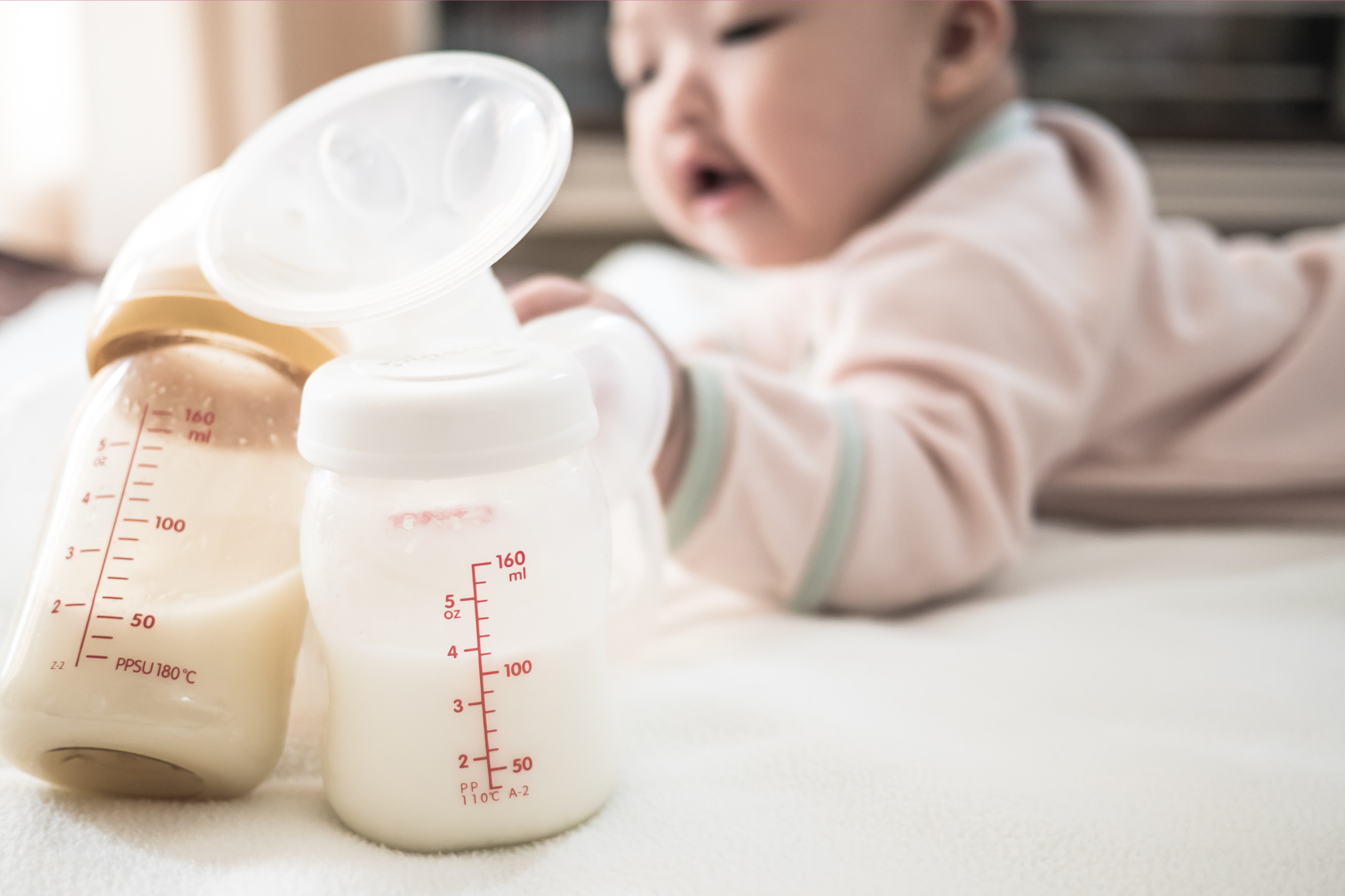
Breast milk is natural, living food full of antioxidants, nutrients, and immune boosting properties to support your growing baby. When milk passes through the breast and is stored, components of breast milk can change slightly. One important component of breast milk that supports digestion is called lipase. If you have noticed your stored milk smells “off”, or your baby refuses a bottle, you might have what is considered “high lipase milk”.
High lipase milk refers to breast milk that develops a soapy or metallic smell or taste after being stored. This does not mean that the milk is unsafe for your baby to drink, and if your baby is not refusing the bottle, there is no need to worry.
This blog will cover the causes of high lipase milk, breast milk storage safety, tips, and what to do if your baby is refusing it.
Understanding Lipase and Its Role in Breastmilk
Lipase is a natural enzyme that helps break down fats in breast milk, which is beneficial for your baby’s digestion. All breast milk contains lipase, but some women have higher activity levels, which can cause changes in smell or taste overtime. This high activity enzyme activity defines milk as high lipase milk.
Note that studies have shown that there is a correlation between the change of expressed milk taste and smell and the duration of storage time. If your baby is beginning to refuse your stored breast milk, start by limiting the amount of time it is in the fridge (less than 96 hours) or freezer (less than 3 months).
Why Does Stored Milk Sometimes Smell or Taste Soapy?
If you’ve ever opened a bottle of stored breast milk and noticed a soapy or metallic smell, you’re not alone, and it doesn’t mean your milk has gone bad, it could be due to high lipase. Lipase is completely normal, but when milk is stored, this process can continue after pumping, especially during refrigeration or freezing.
Here’s what’s happening behind the scenes:
Lipase keeps working even in stored milk, continuing to break down fats over time.
The longer the expressed milk is stored more free fatty acids can oxidize, leading to a soapy, metallic, or “off” smell or taste.
This doesn’t mean your milk is spoiled — just that the enzymes are still active.
"Frozen human milk has a significant increase in acidity by 3 months, likely due to ongoing lipase activity” (ABM Clinical Protocol #8). This explains why some parents notice more of a change in milk that’s been stored for several weeks or months.
The good news? Even if it smells a little different, your milk is still perfectly safe for your baby. As La Leche League notes, “Defrosted milk sometimes may smell metallic and or soapy. It is not unsafe to drink and most babies will drink it.”
So, while the scent may be surprising, it’s simply a sign of how dynamic and alive your milk really is, full of enzymes and nutrients working exactly as nature intended.
Is High Lipase Milk Safe for Baby?
Milk with a soapy or metallic smell is still safe for your baby to drink. The smell or taste change of high lipase milk is purely sensory, it doesn't mean the milk has spoiled or lost its nutritional value.
Most babies will drink milk with a different over just fine. The Academy of Breastfeeding Medicine also interestingly notes, “There is no evidence to suggest that infants often reject human milk due to this odor.”
As long as you are storing your breastmilk to the CDC’s breast milk storage standards, your breast milk, even if it is considered high lipase milk, is safe for your baby to drink.
Storage Tips for High Lipase Milk
If you’ve noticed that your stored milk develops a soapy or metallic smell, a few simple storage adjustments can help preserve its “fresh” flavor, without compromising its safety or nutrition.
Here’s what to keep in mind:
Reduce time in the refrigerator: Expressed breast milk is safe to store in the refrigerator for up to 4 days, but you may consider moving it to the freeze sooner if you are not planning on using it within 24-48 hours. Colder temperatures may slow changes in the expressed breastmilk. Always remember to store breast milk in the coldest part of your freezer.
One study found that lipid composition and lipase activity remain stable for up to 96 hours in the fridge. After that, the taste or smell may begin to change. (ABM Clinical Protocol #8)
Use frozen milk within 3 months: While frozen breast milk is safe for at least 6–12 months under CDC guidelines, a shorter window can help maintain a milder taste. These limits are simply more conservative; your milk remains perfectly safe beyond this timeframe.
Store milk in small portions: Freezing smaller amounts (2–4 oz) makes it easier to thaw only what you need. Thawed breast milk must be used within 24 hours and should never be refrozen.
Avoid scalding milk: Some online sources suggest scalding milk before freezing to “deactivate” lipase, but this isn’t recommended from a nutritional standpoint.
“Heating milk to above 40°C to deactivate lipase is not advised because this may destroy many of the immunologically active factors in human milk.”
Trust your baby’s cues: If your baby is happily drinking stored milk, there’s no need to change your routine, even if it smells a bit different. The soapy scent doesn’t mean it’s unsafe.
By making a few small adjustments, you can keep your milk tasting its best while preserving all the amazing immune and nutritional benefits your baby needs.
What If Baby Refuses Stored Milk?
Even though milk with higher lipase activity is safe and nutritious, some babies may be more sensitive to the flavor or smell changes that happen during storage. If your baby turns away from stored milk but drinks freshly expressed milk just fine, try these gentle troubleshooting tips:
Pay attention to patterns: If your baby consistently refuses stored milk but happily drinks milk you’ve just pumped consider trying some of the tips discussed to improve acceptance.
Mix fresh milk with stored milk: Combine small amounts of freshly pumped milk with thawed milk to help “dilute” the flavor and make it more familiar.
Try different serving temperatures: Some babies prefer milk that’s warmed a little more, or even served cooler, than usual. Experiment to find what your baby likes best.
Adjust your storage method: Sometimes, storage containers can make a difference. Try switching from plastic to glass bottles or milk storage bags designed specifically for breast milk to reduce exposure to air and odors.
Shorten your freezer duration: If you notice more of a soapy smell after long-term storage, try using frozen milk within a month or two for a milder flavor.
Consider milk donation: Breastmilk that has been properly stored is safe to be donated to a local milk bank regardless of smell or taste.
“Frozen human milk that is refused by the mother’s own infant is still suitable for human milk donation.” (Pitino et al., 2019)
This means that even if your little one doesn’t prefer it, your milk remains high-quality and safe, it’s simply a matter of taste.
When to Contact a Lactation Consultant
If you’re unsure whether your milk has gone bad or your baby repeatedly refuses stored milk, it’s always a good idea to reach out for support. A lactation consultant can:
Review your storage routine to ensure milk is cooled and frozen in the most effective way.
Check your pump parts and equipment for any residue or buildup that could affect flavor.
Help identify other causes, sometimes refusal can be related to bottle type, flow rate, or feeding position rather than taste alone.
And most importantly, remember, having high lipase milk is completely normal and not a reflection of your milk’s quality or your body’s ability to nourish your baby.
Embracing the Uniqueness of Your Milk
Every mom’s milk is unique, from its color and consistency to its enzyme activity. Having high lipase milk is simply one of those natural variations, not a problem to fix.
Even if your milk smells or tastes different after storage, it’s still:
Safe
Nutritious
Perfectly tailored for your baby
Remember: “Smell doesn’t equal spoilage.”
So if you ever catch a whiff of that soapy scent, take a deep breath and know that your body is doing exactly what it’s meant to do. Your milk, no matter how it smells, is still one of the most nourishing, protective gifts you can give your baby.

Connect with Maternal by Sentido
Our team is dedicated to providing the highest quality breast pumps through insurance and getting to know you as a mom and guiding you through your maternal health journey.
Maternal by Sentido has an online community offering informative blogs, downloadable material, and social media that will carry you through your maternal health journey.
References:
ABM (2017) Clinical Protocol #8: Human Milk Storage Information for Home Use. https://www.bfmed.org/assets/DOCUMENTS/PROTOCOLS/8-human-milk-storage-protocol-english.pdf
CDC. (2024, May 17). Breast Milk Storage and Preparation. Breastfeeding. https://www.cdc.gov/breastfeeding/breast-milk-preparation-and-storage/handling-breastmilk.html
Pitino, M. A., Stone, D., O’Connor, D. L., & Unger, S. (2019). Is Frozen Human Milk That Is Refused by Mother’s Own Infant Suitable for Human Milk Bank Donation? Breastfeeding Medicine, 14(4), 271–275. https://doi.org/10.1089/bfm.2018.0193
Smell of Stored Human Milk. (2024, August 19). La Leche League International. https://llli.org/breastfeeding-info/smell-human-milk/