
Mom’s Guide to the Best Manual Breast Pump

If you’re a breastfeeding mom, or preparing to be one, you’ve probably heard about both manual and electric breast pumps. While electric pumps often get the spotlight, manual breast pumps have their own set of major advantages. They’re portable, affordable, and simple to use, making them an excellent option for moms who need flexibility or just want something that fits easily into their diaper bag without having to worry about a battery or outlet.
Whether you’re looking to express milk occasionally, travel-friendly, or simply prefer a quieter option, manual pumps can be a perfect fit. In this guide, we’ll cover what manual breast pumps are, how to use them, and share our picks for the best manual breast pumps to help you make your choice with confidence.
What is a Manual Breast Pump?
A manual breast pump is a hand-operated tool designed to express breast milk without the use of electricity or batteries. It works by using a lever create gentle suction on the breast, allowing milk to flow into a collection bottle or container.
Unlike electric breast pumps, manual pumps do not rely on motorized suction. Instead, you control the rhythm and pressure manually, giving you more control over comfort and pace.
Manual breast pumps are especially helpful for:
Traveling or pumping on the go
Occasional milk expression
Emergency use when power or outlets aren’t available
Moms looking for an affordable, simple solution
Their portability and convenience make them a reliable tool to have on hand, even if you already own an electric pump
A Few of the Best Manual Breast Pumps
We’ve rounded up a few of the most popular manual breast pumps, each with its own strengths for different moms’ needs.
1. Medela Harmony Manual Breast Pump
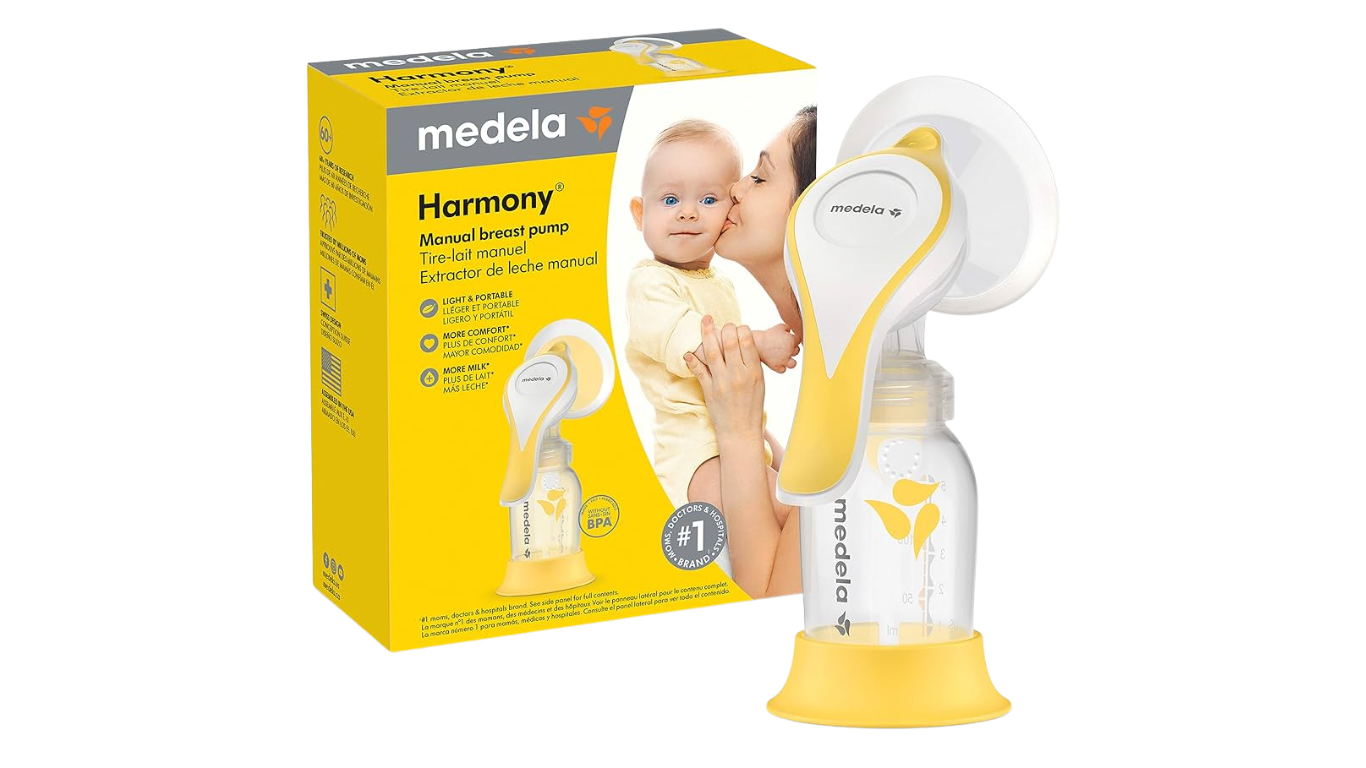
A favorite among lactation consultants, the Medela Harmony is easy to use, comfortable, and designed with an ergonomic swivel handle to reduce hand fatigue. Features a two-phase expression technology for stimulation and expression modes to help mimic your baby’s natural sucking rhythm. Interchangeable parts compatible with the Medela Symphony. Comes with the PersonalFit Flex breast shields that offer a 105 degree opening angle flange with a soft rim and oval shape that may fit more comfortably on the breast depending on the breast shape.
💡 Our International Board Certified Lactation Consultant’s Top Choice: The Medela Harmony.
2. Lansinoh Manual Breast Pump
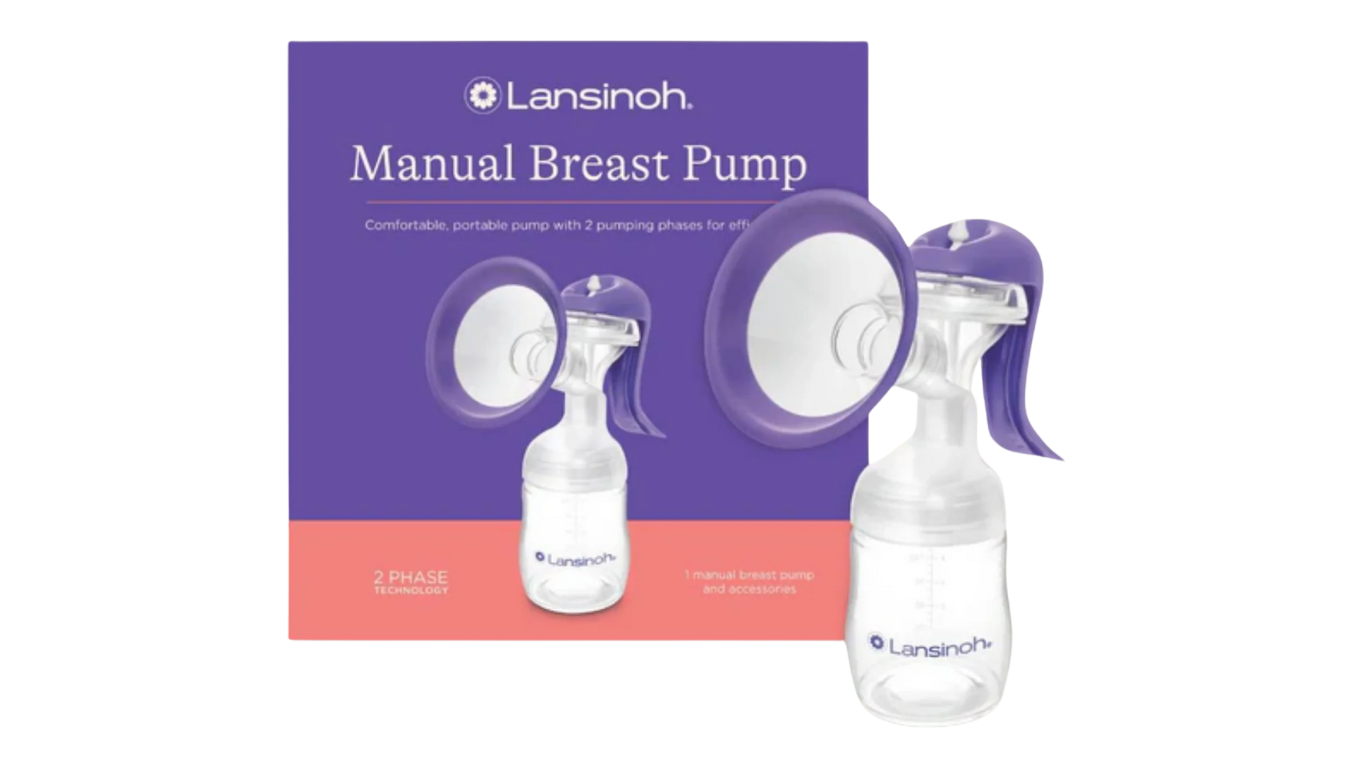
Known for its affordability and comfort, the Lansinoh Manual Pump features two-phase suction for stimulation and expression, a soft ergonomic handle, and a flanged design that fits comfortably against the breast. It’s perfect for moms who pump occasionally or need a lightweight backup pump.
3. Dr. Brown’s Manual Breast Pump with SoftShape™ Silicone Shield
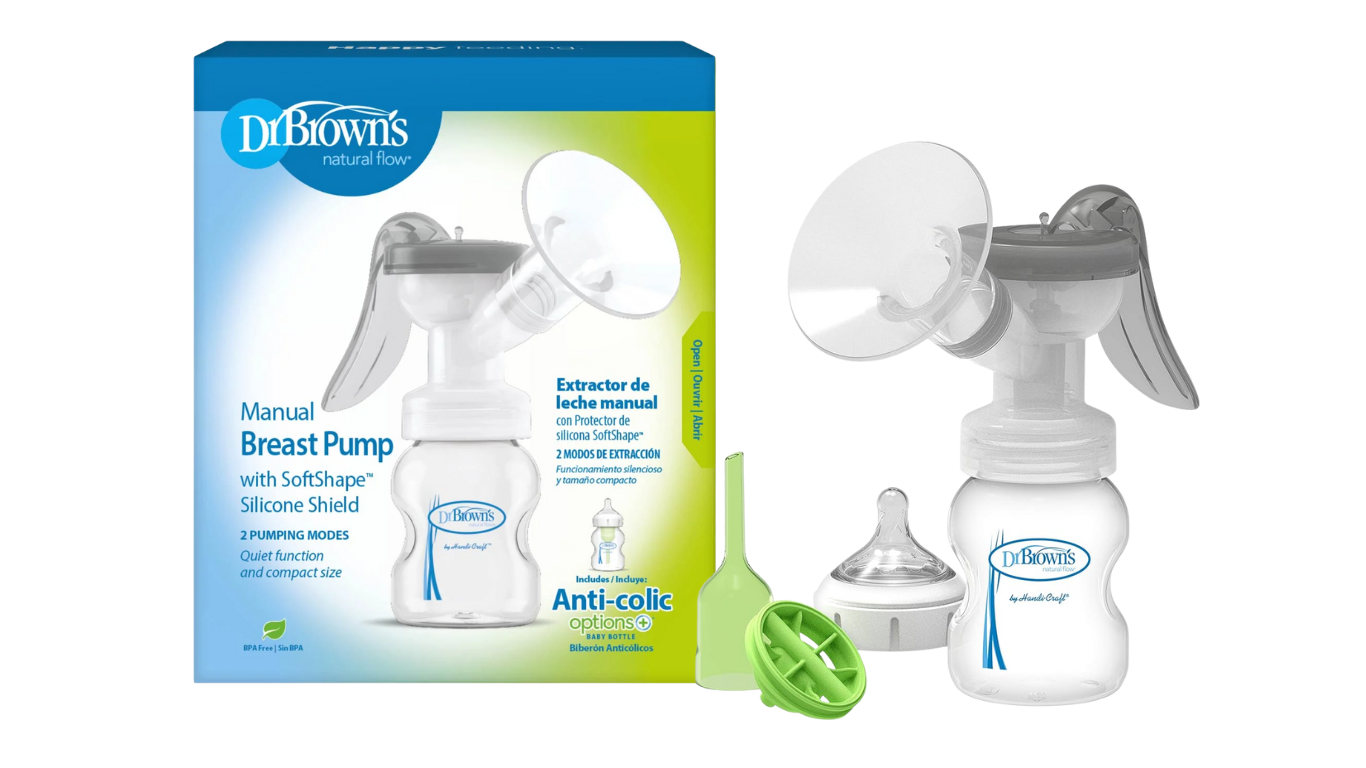
The Dr. Brown’s Manual Breast Pump features a soft, one-piece SoftShape™ silicone shield that conforms to different breast shapes for enhanced comfort. It includes two pumping modes, shorter, quicker pumps to stimulate let-down, then longer pumps to mimic relaxed feeding. It also comes with a wide-neck bottle and travel cap, making it a convenient all-in-one option.
4. Philips Avent Manual Breast Pump
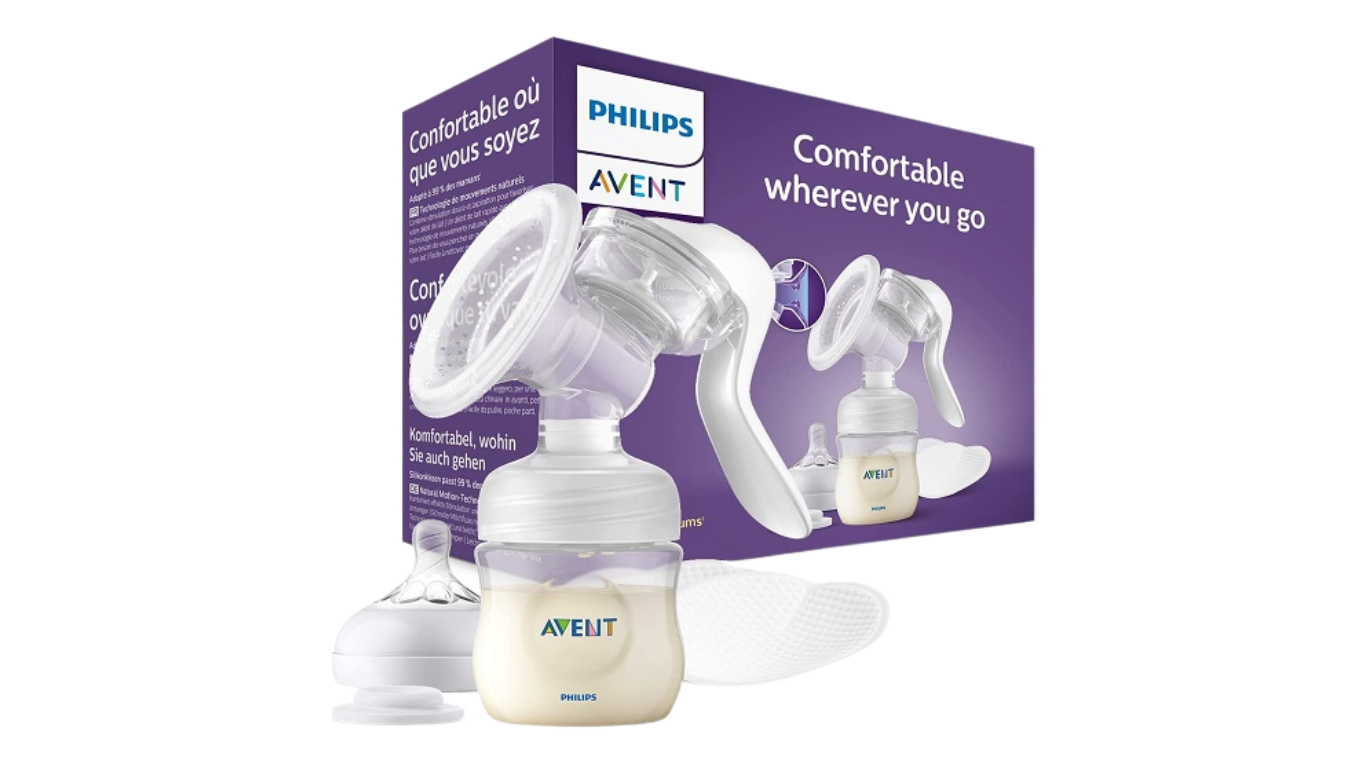
The Philips Avent features a soft massage cushion that mimics a baby’s natural suckling motion. It’s known for its gentle suction, intuitive design, and quick assembly—making it an excellent choice for moms who value comfort and convenience.
How to Use a Manual Breast Pump
While each pump varies slightly by brand and design, here’s a general guide to get started:
Sterilize all parts – Before your first use and regularly after, wash and sterilize all components according to the manufacturer’s instructions.
Assemble the pump – Follow the manual to ensure all pieces are securely connected.
Position the flange – Center the breast shield over your nipple to form a good seal. Maternal by Sentido created a guide to flange sizing as well as a free nipple ruler available for download.
Start pumping – Squeeze and release the handle rhythmically to create suction. Begin with short, quick squeezes to help trigger the letdown reflex. Once milk starts flowing, switch to slower deeper pumps to maintain milk flow. Some hand pumps offer massage and expression modes. Check your pump’s manual to see how to toggle between these modes.
Relax and adjust – Take a few deep breaths, gently massage your breasts if needed to help increase milk flow, and adjust your rhythm for comfort for a customized pumping experience.
A typical manual pumping session lasts about 10–15 minutes per breast. It may take a few sessions to find your rhythm, but like anything in motherhood, it gets more natural with practice.

Benefits of Manual Breast Pumps
Though manual breast pumps might not have the same speed as electric ones, don’t discount their simplicity and list of advantages:
Lightweight and portable – Small enough to toss in your diaper bag or purse, perfect for travel or work.
Quiet- Pump without the noise of a motor, ideal for nighttime or public pumping.
More affordable – Usually much cheaper than electric pumps, making them great for occasional or backup use.
No batteries or outlets needed – Hand-powered convenience means freedom to pump anytime, anywhere.
Easy to clean and maintain – With fewer parts and simple assembly, cleaning is quick and stress-free.
May help with latching – A brief pumping session before breastfeeding can evert the nipple, making it easier to help baby latch for mothers with flat or inverted nipples.
Help relieve engorgement – For mothers experiencing engorgement, a short pumping session can ease discomfort by releasing just enough milk to soften the breast. This can be especially useful for those who find hand expression difficult or uncomfortable.
Drawbacks of a Manual Breast Pump
Even though manual breast pumps come with many perks, they also have a few downsides worth considering. Knowing these potential drawbacks can help you decide if a manual pump would work for your lifestyle.
Requires hand effort – Manual pumps rely on your hand to create suction, which can cause fatigue during longer pumping sessions. Moms who pump multiple times a day may prefer to alternate between manual and electric pumps.
Slower milk expression – Because they depend on hand rhythm rather than motorized suction, manual pumps can take more time to express milk.
Single-breast design – Most manual breast pumps only allow pumping on one side at a time, which may not be ideal for moms looking to save time with double pumping.
Less efficient for exclusive pumping – If you’re exclusively pumping or maintaining a large milk supply, a manual pump may not be the most efficient choice. It works best as a backup or for occasional use.
Small learning curve – It can take a few sessions to find the right hand rhythm and suction level that feels both comfortable and effective.
If you plan to exclusively pump for your baby, a manual breast pump would not be an efficient tool for your level of milk expression. While it might be a good idea to have a manual breast pump for emergencies, we do not recommend using it as your primary pump to establish and maintain a milk supply. An electric breast pump would be a must for exclusive pumping mamas.
Why You Might Want Both a Manual and an Electric Pump
While most moms today choose an electric breast pump, especially those covered by insurance, it can be incredibly helpful to also keep a manual breast pump on hand. A manual pump can act as a reliable backup and provide extra flexibility in your routine.
Here’s why having both can be beneficial:
Peace of mind during power outages or dead batteries: If your electric or wearable pump isn’t charged or you’re somewhere without access to an outlet, a manual pump ensures you can still express milk and protect your supply.
Perfect for quick relief or on-the-go pumping: Manual pumps are lightweight, quiet, and easy to pack in a diaper bag or purse, ideal for travel, errands, or relieving engorgement when you’re away from home.
Low maintenance: With fewer parts - no cords, tubing, or chargers- manual pumps are simple to clean and ready whenever you need them.
Budget-friendly backup: Even though insurance typically covers one pump (usually electric), investing in a manual pump yourself is an affordable way to stay prepared for any situation.
Ultimately, you don’t have to choose between a manual and an electric pump. Many moms find that using both helps them stay flexible, comfortable, and confident in their breastfeeding journey.
Manual Breast Pump vs. Milk Catcher: What’s the Difference?
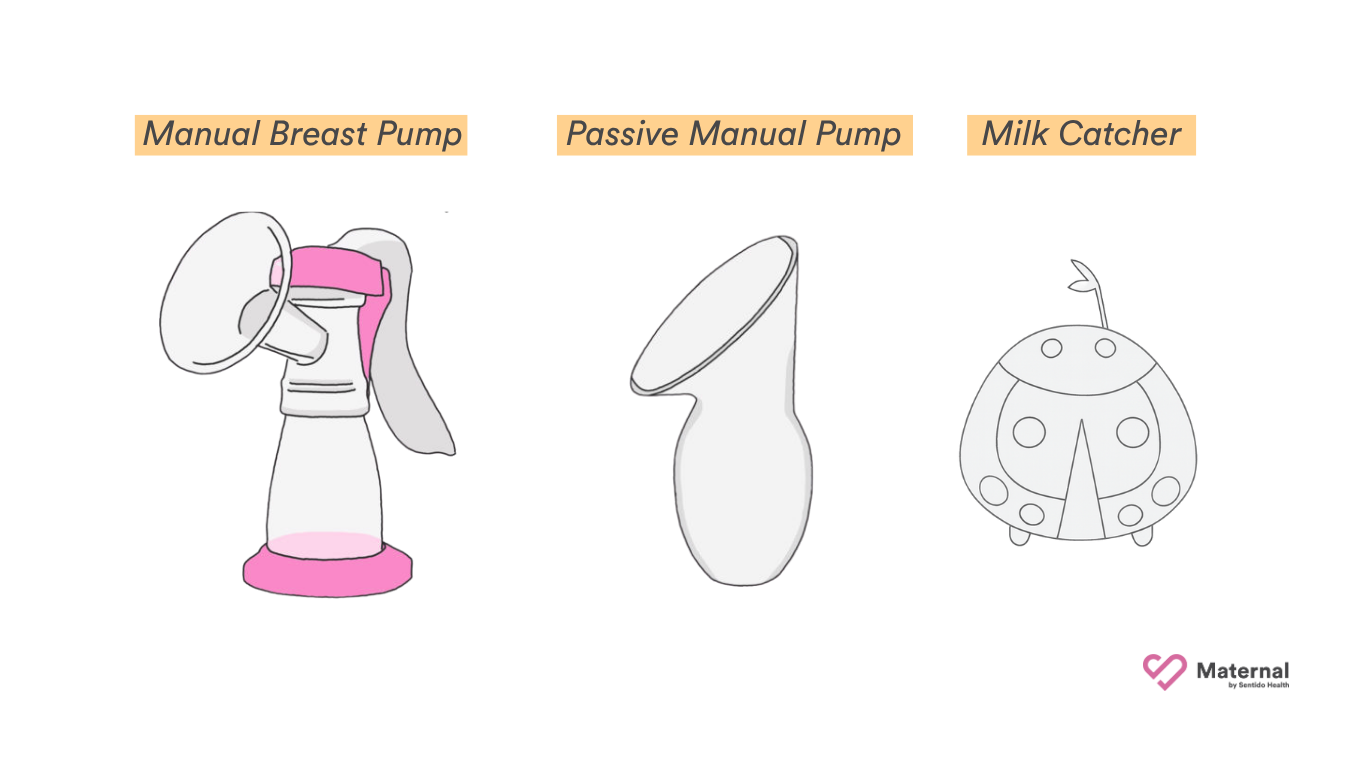
It’s common to confuse a manual breast pump with a milk catcher—after all, both collect breast milk without electricity. But they serve very different purposes.
A manual breast pump is designed to actively express milk from the breast using hand-powered suction. You squeeze or pump a handle to create suction and rhythmically remove milk, similar to what an electric pump does, but manually.
A passive manual pump – like the popular Haakaaor Boon Trove – is a simple, non-electric device designed to collect breast milk effortlessly. It uses gentle suction to passively collect milk that leaks down during nursing or pumping on the opposite side. It does not empty the breast and should not be used as a substitute for a manual or electric breast pump
Milk collector is placed in the bra with no suction that collects milk that drips when pumping or feeding the opposite breast. Popular options are the Elive Catch Milk Collection Shells, Haaka Petal Silicone Milk Collectors, and MomCozy Breastmilk Collector.
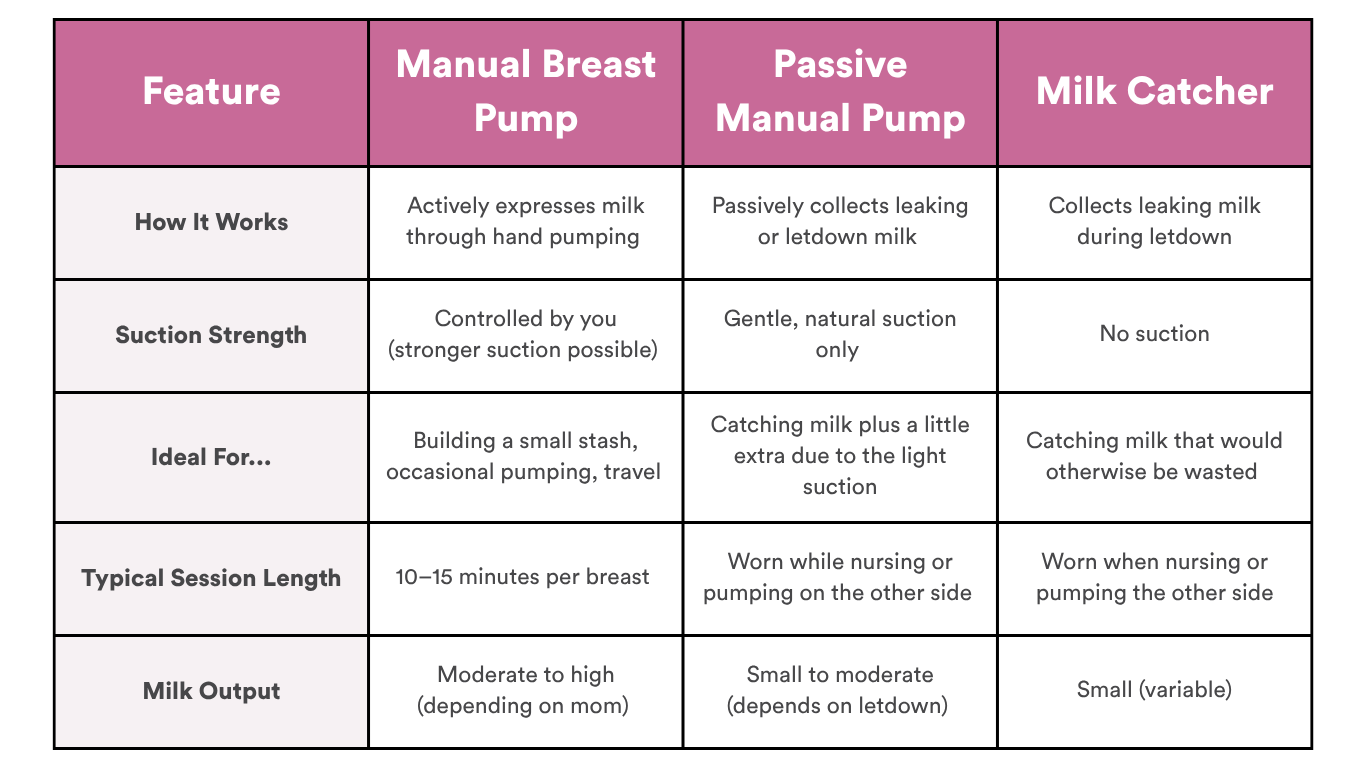
Both tools can be great additions to your breastfeeding toolkit—but if your goal is to actively pump and store milk, a manual breast pump is the better choice.
What to Consider When Choosing a Manual Breast Pump
When selecting the best manual breast pump for your needs, think about:
Comfort – A well-fitted flange and easy-to-use handle can make all the difference.
Ease of cleaning – Fewer parts often means faster cleaning and reassembly.
Portability – If you’re often on the go, compact designs may suit you best.
Price – Manual pumps vary in cost, but all are generally more affordable than electric ones.
Your pumping frequency – Occasional pumpers can rely on a manual option, but frequent pumpers may want both a manual and electric pump on hand.
Final Thoughts
There’s no one-size-fits-all answer when it comes to breastfeeding or pumping. The best manual breast pump is the one that fits your comfort, routine, and lifestyle. Whether you’re attempting to build a small freezer stash, or simply pumping to be away from your baby for more than 3 hours that day, what matters most is that you feel supported and confident in your feeding journey.
At Maternal by Sentido, we’re here to make that journey easier, helping you find the right pump for your needs and guiding you every step of the way.

Connect with Maternal by Sentido
Our team is dedicated to providing the highest quality breast pumps through insurance and getting to know you as a mom and guiding you through your maternal health journey.
Maternal by Sentido has an online community offering informative blogs, downloadable material, and social media that will carry you through your maternal health journey.